Double exposure
Also calledMultiple exposure, Superimposition, Ghost overlay
Double exposure is a technique that layers two separate images into a single frame so both remain visible at once, usually blended through transparency or a light-based overlay. It lets the viewer hold two realities, two times, or two emotional states in mind at the same moment.
What it tells
Directors reach for double exposure when a single image cannot carry the weight of a scene: a memory bleeding into the present, a character split between who they are and who they were, a mind haunted by another presence. It compresses narrative time, turning exposition into pure image. Because the effect feels handmade and slightly unstable, it also signals subjectivity, telling the audience this is not objective reality but someone's inner experience.
How it is shot
Traditionally, the same strip of film is exposed twice without advancing it, or two takes are combined on an optical printer, with each pass underexposed by about one to two stops so the combined image does not blow out. Today the same result comes from digital compositing: two locked-off or matched-motion shots are layered in software using blend modes like Screen, Lighten, or Overlay, with opacity keyframed between 30 and 70 percent. A dark, silhouetted or high-contrast subject on one layer reads best against a lighter, textured second layer such as clouds, water, or foliage, since the darker tones let the second image show through.
When to use it
- Showing a character's memory or flashback surfacing inside a present-day close-up.
- Visualizing an internal conflict, addiction, or split identity within one shot.
- Transitioning between two locations or timelines without a hard cut.
- Suggesting a ghost, spirit, or absent person haunting a living character.
Not to be confused with
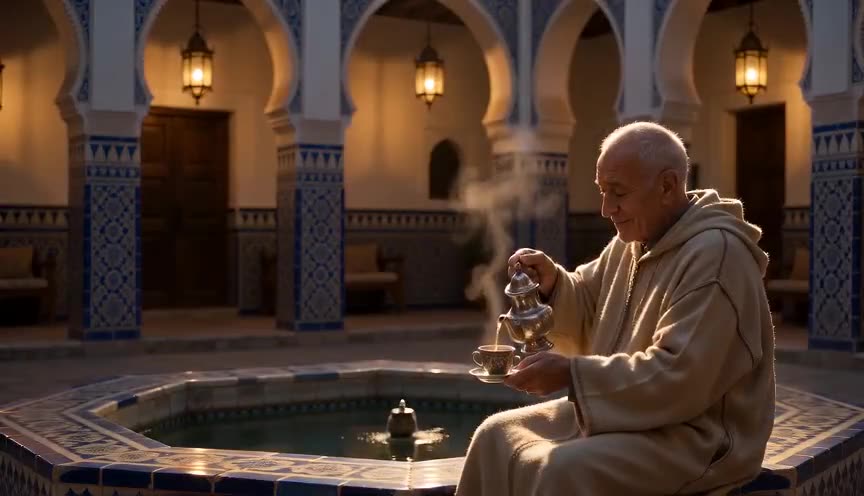
A dissolve is a timed transition where one shot fully replaces another over a few seconds. Double exposure holds both images together as a stable composition, not a passing crossfade between scenes.
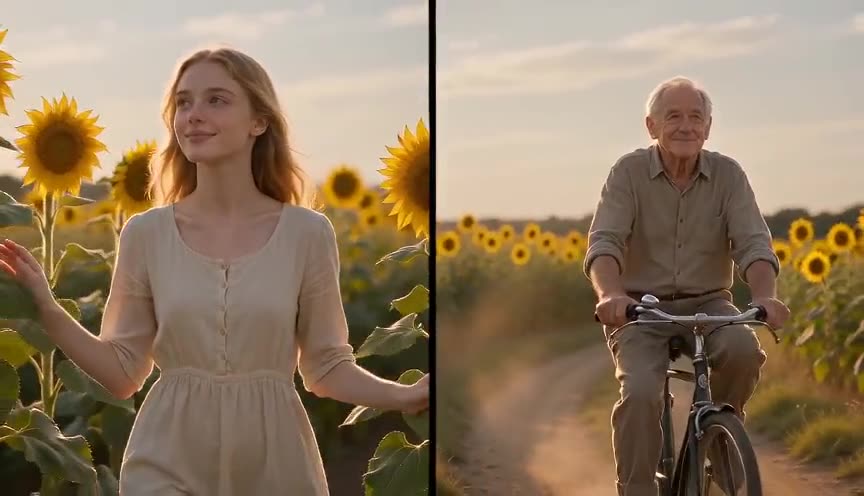
Split screen divides the frame into separate zones, each showing a distinct, unblended image. Double exposure fuses the images across the whole frame so they overlap and read as one layered picture.
In film
Persona (1966)
Bergman merges the two lead actresses' faces into one superimposed image, visualizing identity dissolving between them.
Apocalypse Now (1979)
The opening sequence layers helicopter blades, napalm fire, and a soldier's face to fuse memory and war trauma in one frame.
The prompt
Name the effect directly with words like 'double exposure', 'superimposed', or 'blended layers', and describe what each layer contains: a silhouetted subject on one, a textured or moving element (clouds, water, foliage) on the other. Specify that the camera stays locked or moves slowly so the blend stays legible, and mention exposure or opacity so the model knows both images should stay semi-transparent, not cut between. Avoid busy backgrounds on both layers at once, or the composite turns to visual noise.
The exact prompt that rendered the video on this page. Keep the description of the move, change the subject and the setting.
Double exposure of a woman's silhouette walking slowly through a golden sunflower field at sunset, her outline holding steady in the center of frame while a second, semi-transparent layer of blooming sunflower heads and drifting clouds blends through her body at roughly fifty percent opacity. The camera stays locked and static throughout, the light stays warm and low, and only the internal texture shifts, flowers gently swaying, clouds sliding, while her silhouette remains sharp and unmoving. No text.
Common mistakes
Two equally busy layers
When both images are highly detailed and high contrast, the blend becomes unreadable clutter. Keep one layer simple and dark, the other textured and lighter.
Mismatched exposure
Combining two full-brightness images without lowering exposure on each pass creates a blown-out, washed-white result instead of a legible overlay.
Confusing it with a dissolve
Treating double exposure as a transition and letting one image fully replace the other defeats the point, which is that both images coexist for the whole shot.
Frequently asked questions
What is double exposure in film?
It is a technique that layers two images into one frame at the same time, so both remain visible together, usually to show memory, duality, or a haunting presence inside a single shot.
How was double exposure done before digital tools?
Cinematographers exposed the same strip of film twice without winding it forward, or combined two takes on an optical printer, each pass underexposed so the final blend did not overexpose.
Can double exposure be done with AI video generators?
Yes. Describing both layers explicitly, their opacity, and a locked or slow camera gives tools on platforms like Imaginode enough structure to render a convincing blended composite in a short clip.
What is the difference between double exposure and a dissolve?
A dissolve is a timed transition where one shot replaces another over a few seconds. Double exposure keeps both images superimposed and stable for the length of the shot, not passing through each other.