Medium close-up
Also calledMCU, Chest shot, Bust shot
A medium close-up frames a subject from roughly the chest or collarbone up, tighter than a medium shot but looser than a close-up. It keeps the face fully readable while still showing enough shoulders and setting to anchor the person in their environment.
What it tells
Directors reach for the medium close-up when they want the audience close enough to read a face without cutting the character off from the world. It carries dialogue scenes, confessions and interviews because it balances intimacy with information: you see the eyes and mouth clearly, but a shoulder, a collar or a blurred background still tells you where the person stands, physically and socially, in the story.
How it is shot
The camera sits at roughly conversational distance, framing from mid-chest to just above the head, with modest headroom so the eyes land near the upper third of the frame. A 50mm to 85mm lens on a full-frame sensor is standard: wide enough to avoid facial distortion, long enough to compress the background gently. Focus locks on the eyes at a moderate aperture (f/2.8 to f/4) so the face stays sharp while the setting softens behind it. On set this is usually shot handheld or on a small slider for a slight breathing motion, or locked off for interviews, with the key light placed to shape the face without flattening it.
When to use it
- Dialogue scenes where you need to read reactions but keep some sense of place
- Interviews and documentary talking heads that require warmth without full isolation
- Moments of decision or realization that need emotional weight but not extreme intimacy
- Transitional coverage between a wide establishing shot and a tighter close-up
Not to be confused with
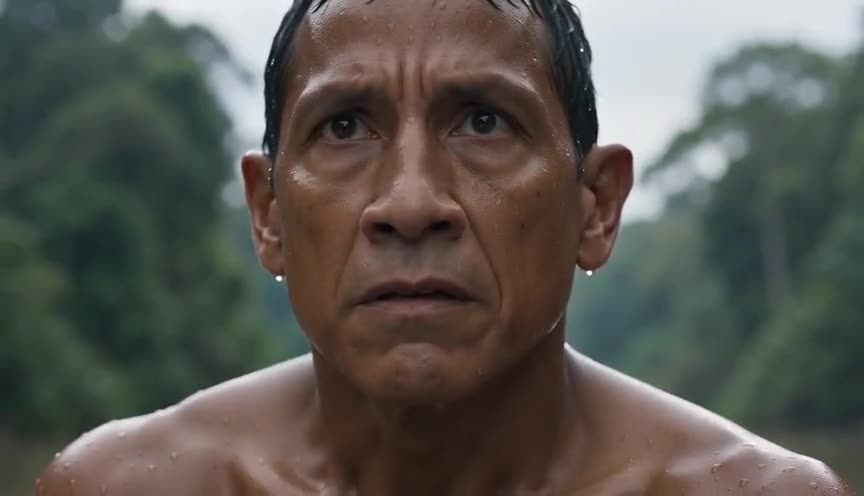
A close-up crops tighter, usually chin to forehead, removing the shoulders and most context to focus entirely on the face. The medium close-up keeps more body and background, so it reads as more grounded and less intense.
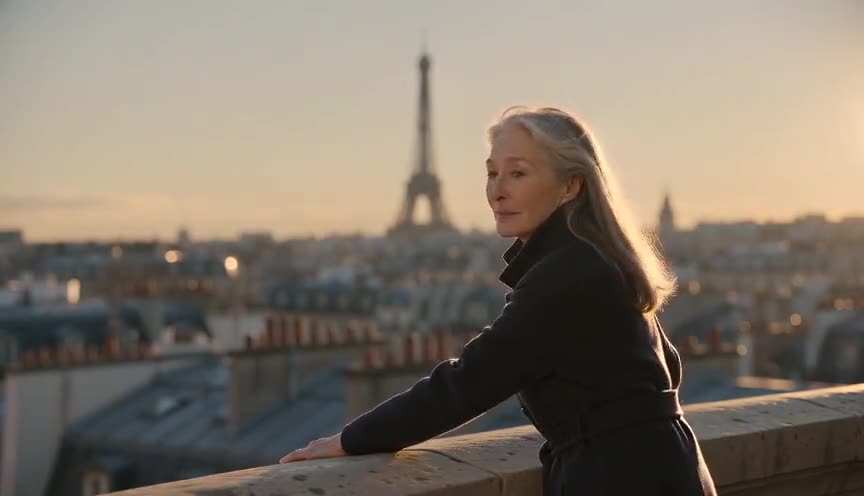
A medium shot frames roughly waist up, showing hands and posture as part of the performance. The medium close-up sits between medium and close-up, favoring facial detail over body language.
In film
12 Angry Men (1957)
The jury room scenes rely heavily on medium close-ups to track each juror's face during long dialogue exchanges in a confined space.
The Social Network (2010)
Fast dialogue scenes are covered largely in medium close-ups, keeping the actors' faces sharp while suits and rooms stay legible behind them.
The prompt
Name the framing explicitly: chest up, head and shoulders in frame, moderate headroom. Specify a portrait-friendly lens (50mm or 85mm) and a shallow but not extreme depth of field so the background is soft, not gone. Avoid words like tight close-up or face fills the frame, which push the model toward a closer crop, and avoid full body or wide shot language that pulls it too far back.
The exact prompt that rendered the video on this page. Keep the description of the move, change the subject and the setting.
Medium close-up of a middle-aged woman in a worn wool coat standing on a cracked platform inside an abandoned train station, framed from mid-chest up with an 85mm lens at f/2.8 keeping her face sharp while rusted signage and broken windows blur softly behind her. Dust drifts through a shaft of pale daylight. The camera holds steady with only a faint handheld breathing motion as she slowly turns her head toward an approaching sound off frame. No text.
Common mistakes
Too much headroom
Leaving excessive space above the head pushes the eyes too low in the frame and weakens the emotional read; keep the eye line near the upper third.
Wrong focal length
Using a very wide lens up close distorts facial features; stay in the 50mm to 85mm range for natural proportions at this distance.
Cropping through the chin or mouth
Cutting the bottom edge across the mouth or chin looks accidental; frame the bottom line at the chest or upper torso instead.
Frequently asked questions
What is a medium close-up?
It is a shot size that frames a subject from about the chest or collarbone up, sitting between a medium shot and a close-up so the face reads clearly while some body and setting remain visible.
When should I use a medium close-up instead of a close-up?
Use it when you still need the viewer to sense the location or another character nearby, such as in two-person dialogue, rather than isolating the face completely as a close-up does.
What lens is best for a medium close-up?
A 50mm to 85mm lens on a full-frame camera is the common choice because it keeps facial proportions natural and produces a pleasant, moderate background blur at typical shooting distances.
Can AI video tools generate a convincing medium close-up?
Yes, tools like the models available on Imaginode can render a medium close-up reliably if the prompt states the chest-up framing, the lens and the depth of field explicitly rather than leaving the crop to guesswork.