Cowboy shot
Also calledAmerican shot, mid-thigh shot
A cowboy shot frames a subject from about mid-thigh up to the top of the head, wider than a medium shot but tighter than a full shot. It keeps hands, hips and gesture visible alongside the face, so the viewer reads both the expression and the body language in a single glance.
What it tells
Directors reach for the cowboy shot when a character's hands matter as much as their face: drawing a weapon, working a tool, gesturing during a negotiation. Named for the way it kept a gunslinger's holster in frame in classic westerns, the shot balances intimacy and information. It sits slightly wider than a medium shot, giving a character room to act with the whole upper body while the audience still tracks emotional nuance on the face, useful for scenes where physical action and feeling need to land together.
How it is shot
Frame the bottom edge of the shot at the subject's mid-thigh or upper hip and the top edge with a bit of headroom above the crown. On a person of average height this usually means camera height near chest level, a lens around 35mm to 50mm on a full-frame sensor, and a camera distance of 6 to 10 feet depending on focal length. Keep the frame steady, on a tripod or a light handheld hold, so hand gestures read cleanly without added shake. Light the face with a soft key and let the body fall into slightly cooler falloff. Leave a little negative space to the side the character gestures toward, and check that hands and any prop stay inside the frame edges during movement.
When to use it
- A character draws, loads, or holsters something and the hand action must stay visible with the face.
- Two people negotiate or argue and their gestures carry as much meaning as their expressions.
- A cook, mechanic, or craftsperson works with their hands while reacting to something off-frame.
- You want a western-style standoff look without cutting all the way to a full-body wide shot.
Not to be confused with
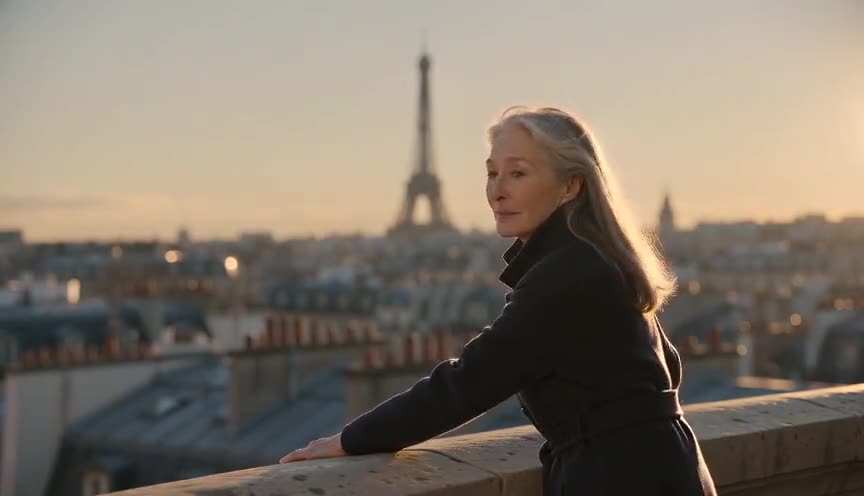
A medium shot cuts at the waist, favoring the face and losing hand gesture below the belt; the cowboy shot pushes the frame lower to keep hips and hands visible, useful when what the hands do matters.
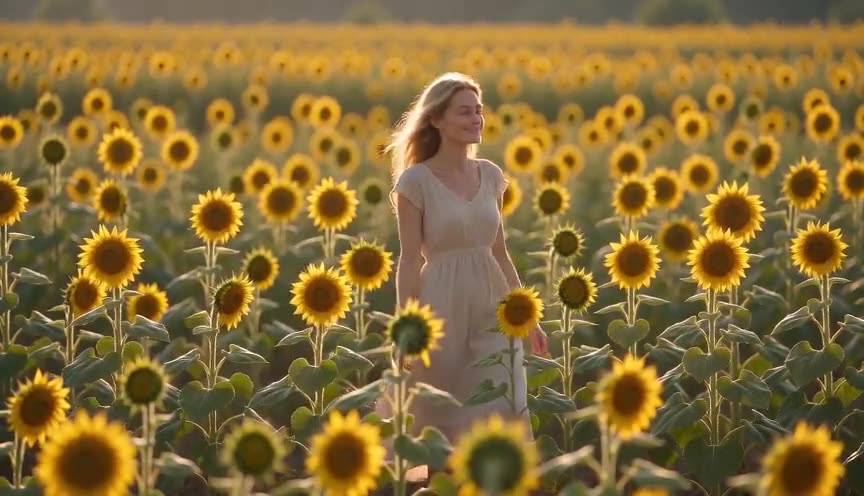
A full shot includes the entire body from head to feet, showing stance and surroundings; the cowboy shot crops tighter, dropping the legs to bring the viewer closer to the face and hands.
In film
The Good, the Bad and the Ugly (1966)
Sergio Leone's standoff sequences use the cowboy shot to keep hands near holsters in frame alongside tense facial close-ups, intercut for suspense.
Django Unchained (2012)
Quentin Tarantino borrows the classic western framing for gunfight buildups, keeping holstered pistols and faces both readable before the draw.
The prompt
Tell the model the frame cuts at mid-thigh or hip level and stops with headroom above the head, not the usual waist-up crop. Specify a lens (35mm or 50mm) and camera distance so it does not default to a medium shot. Mention that hands stay visible and describe what they are doing, since that is the whole point of the framing. Avoid vague words like 'medium shot' or 'close', they push the model toward a tighter crop. Keep the camera static or very slow so arms do not slide out of frame.
The exact prompt that rendered the video on this page. Keep the description of the move, change the subject and the setting.
Cowboy shot of a middle-aged Japanese chef in a busy ramen kitchen, framed from mid-thigh up to the top of his head, small headroom above his short gray hair. He stands at a steaming stove, both hands visible as he ladles broth into a bowl with quick practiced motions, steam curling around his forearms. Shot on a 50mm lens at chest height, camera locked on a tripod, background of hanging pans and a line cook chopping scallions slightly out of focus. The frame holds steady for the full four seconds, no camera movement, only his hands and the steam moving. No text.
Common mistakes
Cutting off the hands
Framing too tight at the waist crops out the hands and hips, turning the shot into a medium shot and losing the whole point of the technique.
Too much or too little headroom
Leaving excess space above the head or crowding the crown against the frame edge breaks the balance that makes the cowboy shot read cleanly.
Camera too far or too close
Standing too far back with a wide lens flattens the composition; standing too close with a long lens compresses the body oddly, so match distance to focal length.
Frequently asked questions
What is a cowboy shot?
It is a framing that shows a subject from about mid-thigh or hip up to the top of the head, wider than a medium shot but tighter than a full shot, keeping hands and gesture visible with the face.
Why is it called a cowboy shot?
The name comes from classic westerns, where this framing kept a gunslinger's holster and hand in view alongside the face, useful for building tension before a draw.
How is a cowboy shot different from a medium shot?
A medium shot typically cuts at the waist; the cowboy shot drops the bottom edge lower, to the mid-thigh or hip, so hands and hip-level action stay in frame.
Can AI video tools generate a cowboy shot reliably?
Yes, if you specify the exact frame line (mid-thigh up) and a lens and distance, tools like the ones on Imaginode follow the instruction well; vague terms like 'medium shot' often default to a tighter crop.