Single
Also calledSingle shot, Solo shot, Single coverage
A single is a shot that frames exactly one person alone, excluding everyone else from the frame even if other characters are present in the scene. It directs the viewer's full attention to that person's face, body language and performance, isolating their reaction from the group.
What it tells
Directors reach for a single when a character needs to carry a moment alone: a confession, a private doubt, a decision no one else can see. Cutting from a group into a single strips away the crowd and puts the audience eye to eye with one person's inner life. It signals hierarchy too: whoever gets the single, even briefly, becomes the emotional center of the scene, the person we are asked to believe and feel for before the story cuts back to everyone else.
How it is shot
On set, a single is built by framing so no other actor's body or face reads in the shot, typically from chest-up (medium close-up) to full body depending on the scene's needs. The camera sits at eye level or slightly favors the subject's best angle, with a 50mm to 85mm lens on a full-frame sensor to keep the background soft and the person separated from it. In dialogue scenes, the crew shoots singles for every speaking character, often reusing the same lighting setup and eyeline so the editor can cut between them. Focus stays locked on the eyes, and the frame usually leaves a little headroom and lead room in the direction the character is looking or speaking.
When to use it
- Use it when one character must deliver a confession, decision or private thought the group should not witness.
- Cut to a single after a group shot to show who the scene's emotional weight now belongs to.
- Shoot singles for coverage of every speaking role so the edit can favor whoever reacts strongest.
- Isolate a performer during a musical take or interview when the audience needs to read only their face.
Not to be confused with
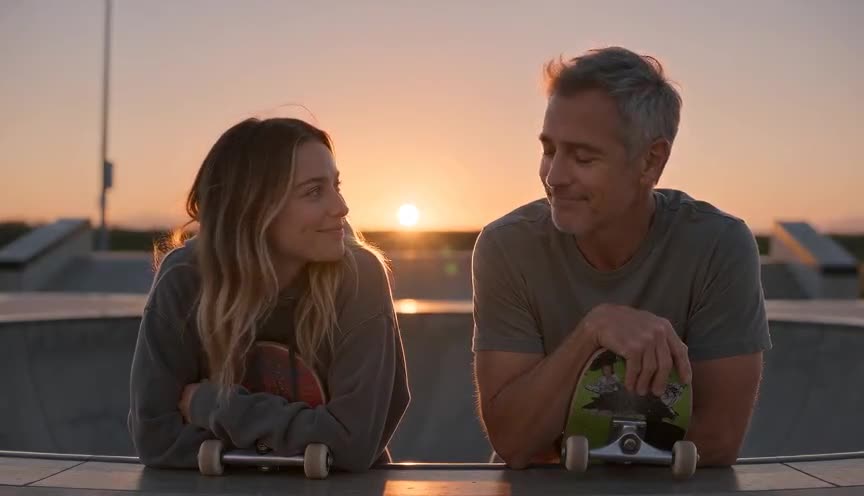
A two-shot keeps two people in frame together, showing their relationship through shared space; a single isolates one person, cutting everyone else out to focus purely on their individual performance.
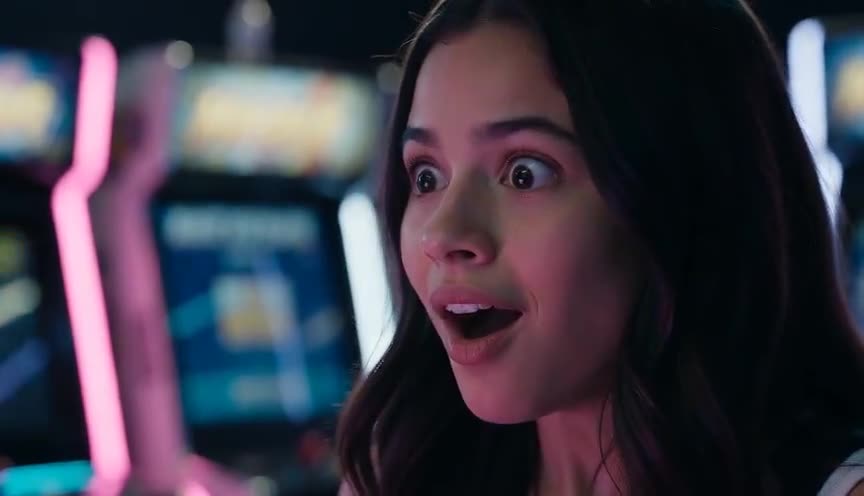
A reaction shot is defined by timing, capturing someone responding to a line or event; a single is defined by framing, and can show a person speaking, listening or simply existing alone in frame at any moment.
In film
12 Angry Men (1957)
The film isolates jurors in tight singles as the group turns against them, visually stranding each holdout in his own frame.
Whiplash (2014)
Tight singles on Andrew during rehearsals and performances isolate his strain, ambition, and panic from Fletcher and the surrounding ensemble.
The prompt
Name the exact framing (medium close-up or medium shot) and state clearly that only one person appears in frame, since models often drift toward adding a second figure when a setting implies company. Specify lens (50mm or 85mm), eye level, and a shallow depth of field so the background falls away and nothing competes with the subject. Avoid crowding the prompt with multiple named characters or it will render a group shot instead of a single.
The exact prompt that rendered the video on this page. Keep the description of the move, change the subject and the setting.
Single: a medium close-up frames one adult woman alone inside a dim recording studio, seated at a microphone with foam panels softly blurred behind her on an 85mm lens at a wide aperture. The camera stays locked and static at eye level, holding only her face and shoulders in frame while a warm key light from one side models her cheekbones and a faint blue monitor glow rims her hair. She leans slightly toward the mic and closes her eyes, the frame excluding any other person, instrument or crew member for the full four seconds. No text.
Common mistakes
Letting a second body creep into frame
Even a hand, shoulder or blurred figure at the frame edge breaks the single and turns it into an accidental two-shot, diluting the isolation the shot is meant to create.
Confusing single with close shot size
Single describes headcount, not distance. Mislabeling it as a synonym for close-up leads to inconsistent shot lists and confused instructions to crew or an AI model.
Breaking eyeline or lighting continuity between singles
If each character's single uses a different eye level, lens or key light direction, the cut between them feels disjointed and destroys the sense of a shared conversation.
Frequently asked questions
What is a single shot?
A single is a shot that frames exactly one person, excluding everyone else in the scene from view. It is defined by how many people appear in frame, not by how tight or wide the framing is.
How is a single different from a close-up?
Close-up describes framing size, how tight the shot is, while single describes headcount, how many people are visible. You can shoot a wide single or a tight single of the same person.
Why do editors need a single for every character?
Coverage with individual singles gives the editor freedom to choose whose face carries each line or reaction, control pacing, and rebuild the scene's rhythm in the cut without reshooting.
Can AI video tools generate a clean single shot?
Yes. Tools like those built into Imaginode render singles reliably if you explicitly state one person and describe the framing, lens and lighting, since vague prompts can cause the model to add a second figure by default.