Gimbal shot
Also calledGimbal stabilizer shot, Motorized stabilizer shot, Ronin shot
A gimbal shot is a camera movement stabilized by a motorized three-axis gimbal that keeps the frame level and smooth while the operator walks, runs, or rides through a space. It removes the vertical bounce and side-to-side roll of handheld work, giving the viewer a glide that feels controlled but still alive.
What it tells
Directors reach for the gimbal when they want the intimacy of a moving body without the seasick shake of raw handheld. It lets the camera trail a character through a crowded market, a fight, or a corridor while staying visually calm, so the audience reads the space and the action instead of fighting the frame. It is the modern answer to the Steadicam's promise: presence with polish, energy with control.
How it is shot
A three-axis brushless motor gimbal (DJI Ronin, Freefly MoVI, Zhiyun Crane) sits on handles, a vest, or a vehicle mount. Its IMU sensors sample orientation hundreds of times per second and drive the motors to cancel pan, tilt, and roll error in real time, keeping the horizon level even as the operator's body moves. The rig is balanced dead-level before power-on, then an operator (sometimes with a focus puller walking beside them) moves at a matched pace to the subject, usually with a 24mm to 35mm lens to keep parallax and wobble low. Speed changes and turns are done slowly to avoid motor lag or a wobble artifact called gimbal float.
When to use it
- Following a character walking or running through a location without shaky handheld texture.
- Covering a vehicle interior or exterior where a rig mount needs a level, floating frame.
- Shooting a long take through doorways or tight corners where a dolly track cannot go.
- Giving an action or dialogue scene forward momentum while keeping faces readable and steady.
Not to be confused with
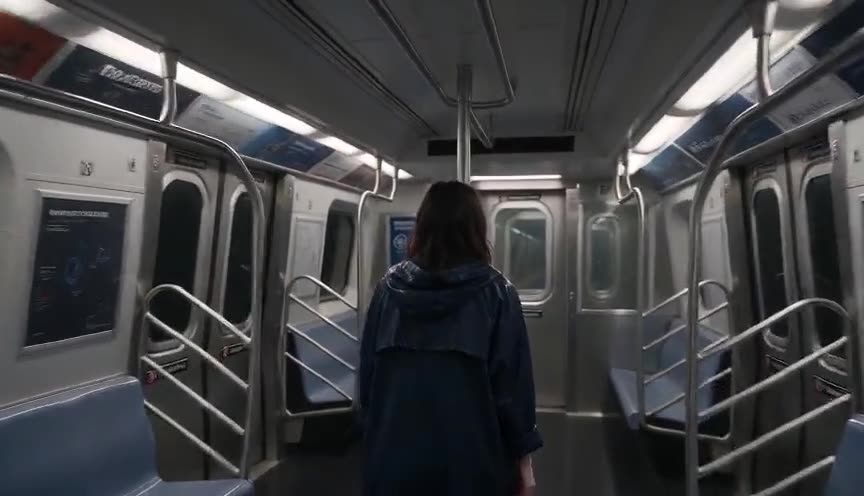
Steadicam isolates the camera on a mechanical arm and vest, giving a slightly organic sway and drift. A gimbal uses motors and sensors, so its float is more rigid, more corrected, and easier to learn.
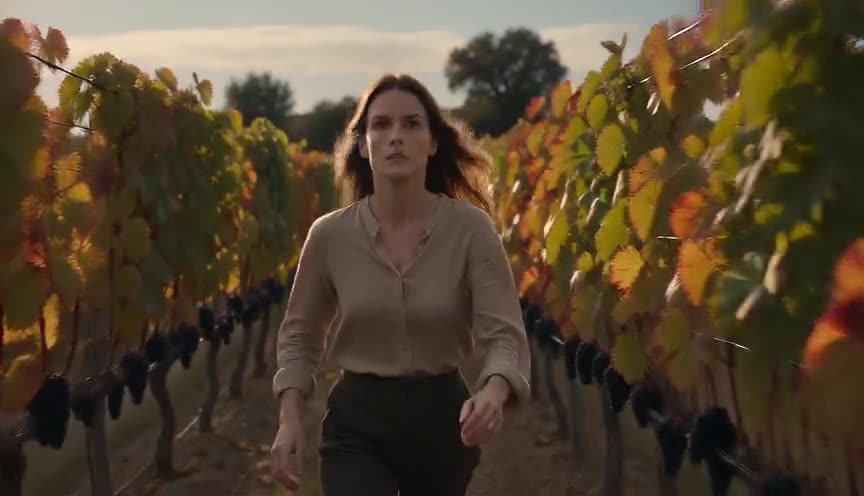
Handheld keeps the operator's body movement in the image on purpose, for urgency and texture. A gimbal shot removes that shake almost entirely, trading grit for a smooth, controlled glide.
In film
Mad Max: Fury Road (2015)
Gimbal rigs mounted on moving vehicles kept the frame level during high-speed chase sequences shot in real desert conditions.
Extraction (2020)
The Dhaka oner uses a gimbal as the camera moves through cars, streets, and interiors, with operators handing off the rig during stitched action beats.
The prompt
Name the rig behavior directly: say the camera glides smoothly at a level height with no vertical bounce, and describe the operator's path (walking beside, following behind, turning a corner). Mention a normal-to-wide lens (24mm to 35mm) since that reads as gimbal footage. Avoid words like shaky or jittery, which push the model toward handheld instead. Keep the subject's motion consistent with the camera's speed so the float feels matched, not floaty and disconnected.
The exact prompt that rendered the video on this page. Keep the description of the move, change the subject and the setting.
Gimbal shot in a sunlit pottery workshop: the camera glides at chest height, perfectly level, following a middle-aged woman with clay-streaked hands as she walks past a row of spinning wheels and shelves of unfired bowls. The frame stays smooth and steady with no vertical bounce, gently turning to keep her centered as she rounds a worktable, shot on a 35mm lens with warm window light and soft shadows. No text.
Common mistakes
Over-smoothing the motion
A gimbal shot that is too perfectly floaty can feel robotic and drain a scene of tension. Add a small pace change or a following character to keep it feeling human.
Moving too fast for the rig
Sudden direction changes or sprinting can outrun the motors and produce a visible lag or wobble. Plan turns and speed changes to be gradual.
Skipping balance calibration
An unbalanced gimbal drifts or tilts on its own, forcing the motors to fight constantly and creating a subtle, unwanted horizon crawl through the shot.
Frequently asked questions
What is a gimbal shot?
A gimbal shot is footage captured with a motorized three-axis stabilizer that keeps the camera level and smooth while the operator moves, giving a glide similar to a dolly but usable anywhere a person can walk.
What is the difference between a gimbal and a Steadicam?
A Steadicam is a mechanical arm and vest system that isolates the camera through counterweights, giving a slightly organic drift. A gimbal uses motors and sensors to actively correct movement, producing a more rigid, consistent float.
What gimbal do professional filmmakers use?
Common rigs include the DJI Ronin, Freefly MoVI, and Zhiyun Crane, ranging from lightweight handheld units to heavier rigs built for cinema cameras and vehicle mounts.
Can AI video tools generate a gimbal shot?
Yes. Describing a level, smooth, floating camera that follows a subject at a matched walking pace, with a normal lens, reads clearly as a gimbal move to most AI video models, including on Imaginode.