Tungsten balance
Also calledTungsten white balance, 3200K white balance, Indoor color balance
Tungsten balance is a white balance setting of about 3200K that renders warm tungsten light as neutral white, the way indoor bulbs and practicals were meant to look. When that same setting is used under daylight, every daylight-lit area shifts strongly blue, a mismatch cinematographers exploit for mood or correct with filters.
What it tells
Tungsten balance ties image color to a light source's real physical temperature, so a scene photographed correctly for its practicals feels grounded and true, while any daylight leaking into frame reads as cold and alien by contrast. Directors use this mismatch to separate story spaces without cutting: a warm, human interior against a blue, indifferent outside world, or to signal a shift in mood the instant a character crosses from one light source to another.
How it is shot
On film, tungsten-balanced stock (3200K) was manufactured for shooting under incandescent lights; on daylight sets a warming 85 filter corrected it. On digital cameras, the white balance dial or Kelvin setting is set to about 3200-3400K, which adds blue to the sensor's read so that orange tungsten light comes out neutral. If any daylight (5500-6500K) or HMI source enters the same frame without correction, it renders 1500-2000K too cool for the setting, producing a strong blue cast in those areas. Gaffers manage this by choosing which sources to correct with CTB or CTO gel and which to leave mismatched on purpose, while the DP sets the camera's white balance to match the dominant practical source, not the ambient exterior light.
When to use it
- Interior scenes lit mainly by household bulbs, candles or practicals that must read as natural white.
- Contrasting an intimate lit interior against a cold, blue exterior visible through windows or doors.
- Signaling a shift in time, mood or location the moment a character moves between light sources.
- Any greenhouse, workshop or lab where sodium or tungsten grow lights compete with daylight through glass.
Not to be confused with
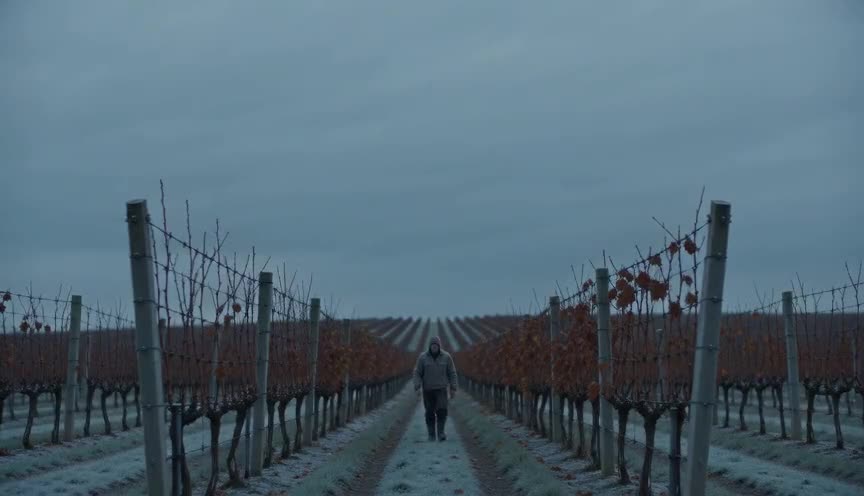
Cool blue grade is a color-grading choice applied in post to push the whole image toward blue regardless of the light sources on set. Tungsten balance is a camera setting made during the shoot that reacts specifically to which light in frame is tungsten versus daylight.
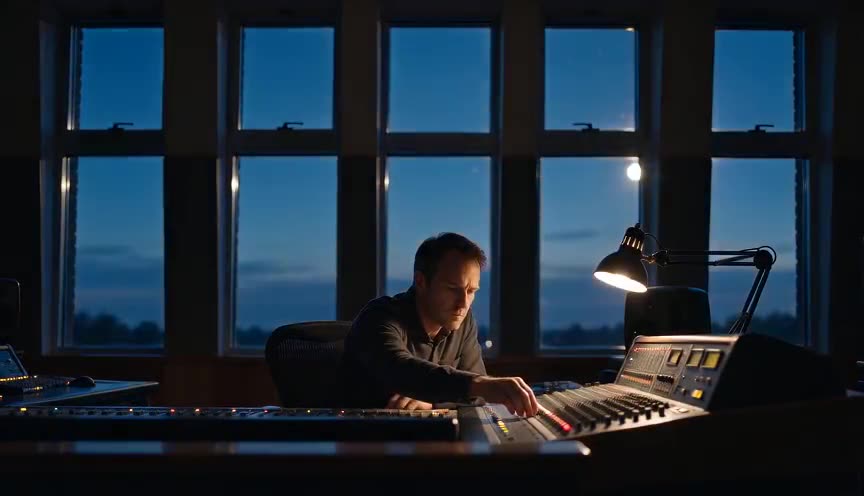
Day-for-night uses exposure and color tricks to make a daylight shoot pass for a night scene. Tungsten balance is not hiding the time of day; it corrects for one practical light source and lets any other source, like daylight, show its true color difference.
In film
Traffic (2000)
Soderbergh shot the Ohio storyline on tungsten-balanced stock without daylight correction, giving exteriors and window-lit interiors a cold blue cast distinct from Mexico's tobacco-filtered warmth.
Mad Max: Fury Road (2015)
John Seale shot many night scenes in daylight with a tungsten white balance, turning the desert and sky blue for day-for-night before digital grading.
The prompt
Name both light sources and their temperatures explicitly: warm tungsten or lamp light on the subject, cool blue daylight through glass or a window left uncorrected. Avoid vague mood words like 'cozy' or 'moody' alone; instead describe the physical mismatch (orange bulbs stay neutral, exterior light turns blue) and hold the camera still or slow so the color contrast is easy to read in a short clip.
The exact prompt that rendered the video on this page. Keep the description of the move, change the subject and the setting.
Tungsten balance: a static locked-off shot inside a glass greenhouse at dusk, camera at eye level on a middle-aged woman in a canvas apron misting rows of tomato plants under warm tungsten grow lamps that render her skin and the leaves in neutral, accurate color. Through the glass panels behind her, the fading daylight outside reads as a strong cool blue, unmatched to the interior light. The camera holds perfectly still for the full four seconds while she moves slowly between plants, the color contrast between the warm interior and the blue exterior staying constant and unchanged. No text.
Common mistakes
Grading instead of shooting
Trying to fix a daylight-lit scene in post with a blue tint misses the point; tungsten balance is a camera decision tied to real practical lights, not a filter added afterward.
Correcting every light source
Gelling all windows and lamps to match removes the contrast that makes tungsten balance interesting; leaving one source uncorrected is often the whole idea.
Ignoring skin tone
Setting white balance to tungsten under mixed light without checking faces can leave skin looking sickly green or blue; monitor skin tone on a calibrated reference, not just the background.
Frequently asked questions
What is tungsten balance?
It is a white balance setting of roughly 3200K that neutralizes the orange cast of tungsten bulbs and other incandescent practicals, so they read as accurate white light on camera or film.
Why does tungsten balance make daylight look blue?
Daylight runs around 5500 to 6500K, much cooler than the 3200K the camera is corrected for; the extra blue added to fix tungsten light overcorrects any daylight in the same frame, pushing it visibly blue.
Is tungsten balance the same as a blue color grade?
No. It is set in camera or on film stock during the shoot and responds only to the actual mix of light sources present, while a blue grade is a uniform post-production adjustment applied to the whole image regardless of source.
Can I get this look with an AI video model?
Yes. Describe the two light sources explicitly, warm tungsten or lamp light on the subject and cool blue daylight through windows or glass, and ask for a static or locked shot so the contrast reads clearly; tools like Imaginode can render this in a few seconds.