Found footage
Also calledFaux documentary footage, Camcorder POV, Recovered footage
Found footage is a technique that presents a film as raw, unedited recordings supposedly discovered or recorded by a character within the story. It strips away polished camerawork and score to make the viewer feel they are watching real, unfiltered evidence rather than a constructed film.
What it tells
Found footage removes the safety of a visible director and puts the audience inside the fear or curiosity of the person holding the camera. Directors use it because the imperfect frame, the shaky hand, and the silence where a score should be all read as truth rather than performance. It collapses the distance between viewer and event, turning horror, mystery, or disaster into something witnessed rather than watched, and it lets low-budget productions trade production value for raw, visceral immediacy.
How it is shot
The camera is treated as a diegetic object, usually a handheld camcorder, phone, dashcam, or security camera operated by a character on screen. Shots are handheld with visible shake, off-axis framing, and unmotivated whip pans as the operator reacts to events in real time. Lighting stays practical (flashlights, headlamps, existing sources) with no rig lighting added. Focus drifts, exposure clips, and audio is often muffled or wind-noise heavy. Editors keep cuts minimal, sometimes leaving in false starts, lens caps, or timecode burns, and resolution or frame rate can be degraded to mimic consumer-grade gear from the era the story is set in.
When to use it
- When you want an audience to believe they are watching real, unedited evidence of an event.
- For horror or mystery stories where not seeing everything the camera catches builds dread.
- When budget is limited and raw handheld footage can replace expensive production value.
- For mockumentaries, disaster narratives, or investigations told through recovered recordings.
Not to be confused with
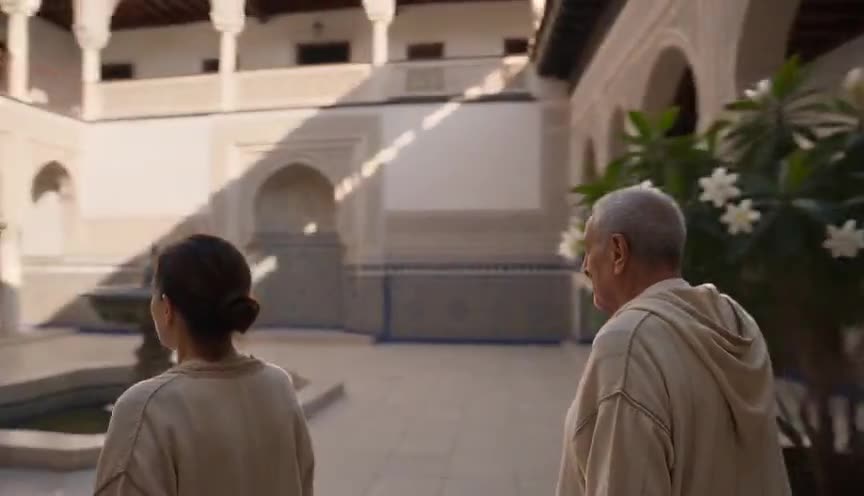
Documentary look uses observational, real-world visual cues to feel journalistic, but the operator is a professional outside the story. Found footage insists the camera belongs to a character inside the narrative, so every shake is diegetic.
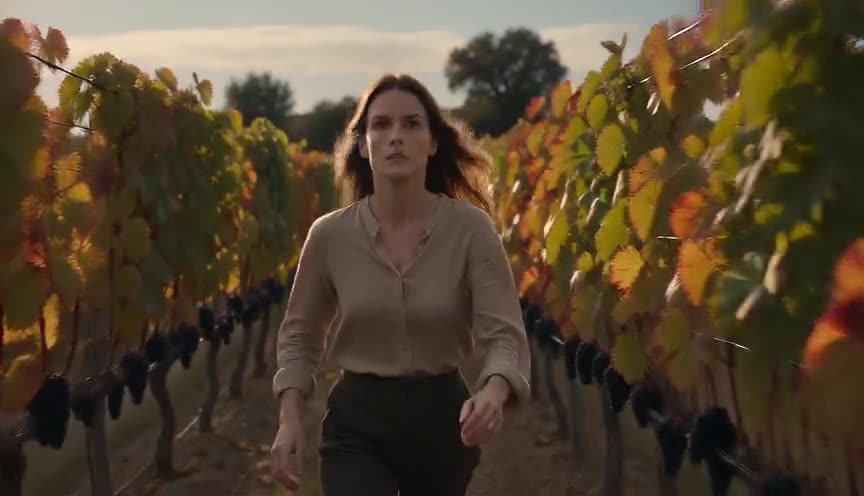
Handheld camera adds physical instability to any shot for energy or realism. Found footage borrows that motion but wraps it in a fictional frame: a named operator, an in-story reason for filming, and visible artifacts like timestamps.
In film
The Blair Witch Project (1999)
Built its entire horror premise on amateur camcorder footage supposedly recovered after three filmmakers vanished in the woods.
Cloverfield (2008)
Used a single handheld consumer camera, held by a character throughout a monster attack, to keep the disaster feeling personal and unrehearsed.
Paranormal Activity (2007)
Relied on a fixed bedroom camcorder and handheld shots by the characters themselves to make supernatural events feel like accidental evidence.
The prompt
Name the recording device explicitly (handheld camcorder, phone, dashcam, security camera) so the model treats the camera as a character's object, not a cinematic rig. Push handheld shake, slightly wrong framing, and a fixed or narrow field of view rather than smooth movement. Mention consumer-grade artifacts like grain, mild motion blur, or a corner timestamp, and keep the described action reactive, as if the operator is chasing or fleeing something rather than composing a shot. Avoid words like cinematic, polished, or steady, which push the model back toward professional camerawork.
The exact prompt that rendered the video on this page. Keep the description of the move, change the subject and the setting.
Found footage style, shot on a handheld camcorder carried at chest height by a villager fleeing through a narrow medieval stone alley at dusk. The frame shakes with every footstep, tilts off-axis, and briefly clips to overexposed sky before swinging back down to stone walls and a wooden door. Focus hunts for a second before settling, image grain is heavy, and a faint corner timestamp flickers. Light comes only from a torch bracket on the wall and fading daylight, no added rig lighting. The camera never stabilizes, motion blur streaks on fast turns. No text.
Common mistakes
Too smooth camera
Adding stabilization or a gimbal defeats the premise; found footage needs visible, uncorrected shake tied to the operator's body, not a floating glide.
No in-story reason to film
If nothing in the scene explains why a character keeps recording during danger, the device breaks and viewers stop believing the footage.
Overpolished color grade
A cinematic grade or heavy stabilization in post reads as a produced film, not a recovered recording; keep color flat and slightly wrong.
Frequently asked questions
What is found footage?
Found footage is a filmmaking technique that presents a story as raw recordings supposedly made and later discovered by a character inside the story, complete with shaky camerawork and no external score.
Why does found footage feel scarier or more real than regular filmmaking?
Because the camera has an in-story owner, viewers read every flaw, shake, and cut as evidence rather than style, which lowers their guard and makes staged events feel like they actually happened.
Do I need special equipment to shoot found footage?
No, most found footage films use ordinary consumer cameras, phones, or camcorders on purpose; the technique depends on believable operator behavior and restraint more than any special gear.
Can AI video tools generate a found footage look?
Yes, describing the camera as a handheld device operated by a character, with shake, grain, and practical lighting, is usually enough; tools like Imaginode can render that look directly from a well written prompt.