Available light
Also calledNatural light, Found light, Existing light
Available light is any light already present at the location, sunlight, streetlamps, window light, screens, that a filmmaker shoots with instead of adding lighting units. It gives the image a documentary honesty because the viewer senses the light belongs to the world, not to the production.
What it tells
Directors reach for available light when they want the audience to trust what it sees. It removes the polish that signals staging, so faces look lived-in and rooms look real instead of designed. It suits scenes about ordinary people, hidden cameras, memory, or intimacy, where a rigged three-point setup would announce itself and break the spell of authenticity the scene depends on.
How it is shot
The crew scouts a location and measures what light already exists, window exposure, overhead fluorescents, a shop lamp, a phone screen, often with an incident meter, then chooses lens and ISO to match it rather than the reverse. A fast prime lens (f1.4 to f2.8) lets the camera work in dim rooms without adding fixtures. Bounce cards, black flags, or a single reflector may shape the existing light without introducing a new source. Camera position and white balance are set to the color temperature already in the room, and the crew waits for the right hour or cloud cover instead of building it artificially.
When to use it
- Documentary or verite scenes where added lighting would break the sense of truth
- Low-budget shoots in real locations without time to rig fixtures
- Intimate dialogue scenes that need an unpolished, observed feel
- Night exteriors or interiors lit only by existing streetlamps, screens or windows
Not to be confused with
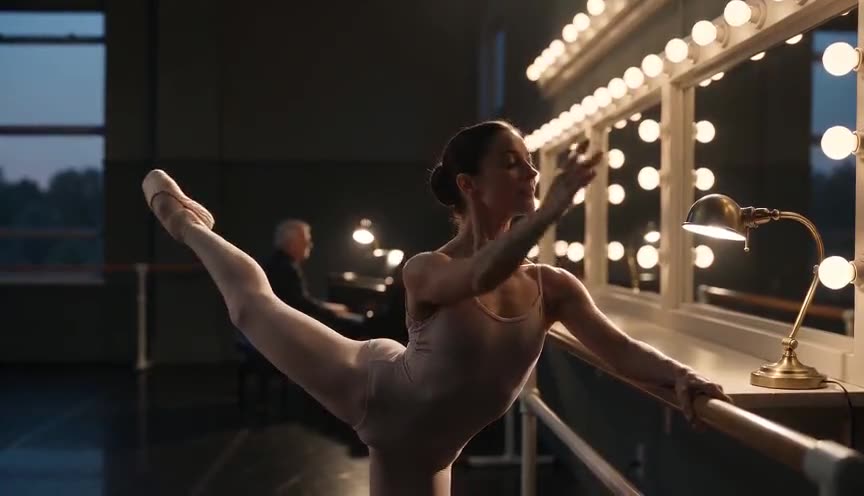
Practical lighting uses visible in-scene fixtures (lamps, neon signs) that the crew may still boost or dim. Available light refuses that intervention and shoots the location as found, whatever exists is the exposure.
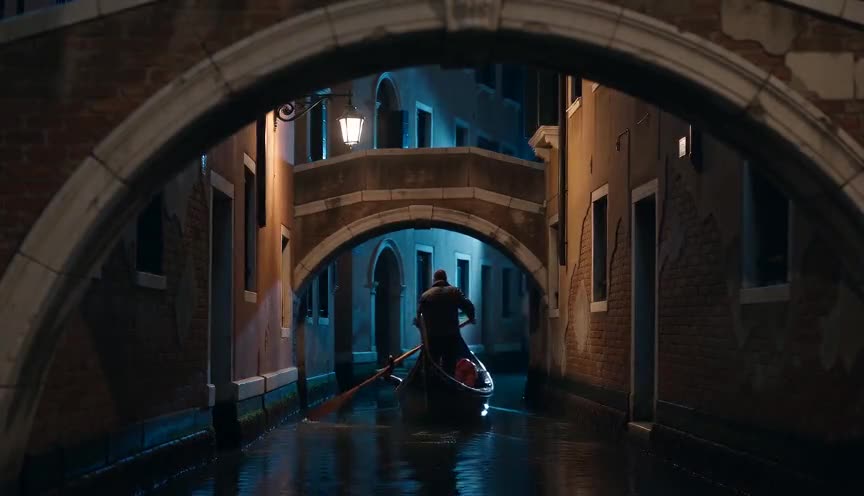
Motivated lighting adds film lights disguised as a plausible source (a fake window key). Available light uses no added units at all, only what the location already provides.
In film
Barry Lyndon (1975)
Interior candlelit scenes were shot with specially adapted lenses to expose on candle flame alone, no added units.
Days of Heaven (1978)
Prairie exteriors were staged at magic hour, using the remaining natural sunlight to give the farm scenes their soft glow.
The Revenant (2015)
Wilderness scenes were shot in natural daylight, often during brief overcast or magic hour windows, instead of conventional movie lighting.
The prompt
Name the actual light sources in the scene (overhead shop lights, a bay door open to daylight, a single work lamp) instead of saying 'available light' alone, since the model needs concrete sources to render. Mention that no extra lighting rig is visible, keep shadows soft or harsh as the source dictates, and avoid words like 'cinematic glow' or 'dramatic lighting' that push toward an obviously designed look.
The exact prompt that rendered the video on this page. Keep the description of the move, change the subject and the setting.
Available light, handheld medium shot inside a car repair garage at midday, the only illumination coming from two overhead fluorescent tube fixtures and a wide open bay door letting in flat gray daylight from outside. A mechanic in stained overalls leans over an engine bay, light falling unevenly across his face and hands, shadows soft under the fixtures and harsher near the door threshold. Camera stays mostly static with a slight handheld sway, no added lighting units, no rim light, colors slightly cool and desaturated like real shop light. No text.
Common mistakes
Faking it with soft box mimicry
Adding a diffused key light that looks suspiciously even defeats the point, viewers can sense a hidden fixture even when they cannot name it.
Ignoring color temperature mismatch
Mixing window daylight with interior tungsten without addressing the clash reads as a lighting error rather than an intentional documentary texture.
Underexposing without a plan
Available light often means low light, but shooting too dark just to prove authenticity loses faces and detail the scene actually needs.
Frequently asked questions
What is available light?
Available light is filming with whatever illumination already exists at a location, sunlight, room lamps, screens, streetlights, without adding film lighting units. The camera and lens are adjusted to the light, not the other way around.
Is available light the same as natural light?
Not quite. Natural light usually means sunlight or moonlight specifically, while available light includes any existing source, natural or artificial, such as office fluorescents or a bar's neon sign.
Why do documentary filmmakers rely on available light?
It preserves the sense that the camera is observing rather than staging. Adding lights on a real location can visibly alter it and tip off subjects or viewers that the scene is constructed for the camera.
Can AI video tools like those on Imaginode render available light convincingly?
Yes, if the prompt names the exact existing sources (window light, shop fixtures, a lamp) rather than the abstract term, since models render concrete light sources far more reliably than lighting styles by name alone.