Spaghetti western
Also calledItalian western, Leone style, Western all'italiana
Spaghetti western is a genre look modeled on the Italian-made westerns of the 1960s, pairing vast dusty vistas with extreme close-ups on squinting eyes and sweating faces. It stretches time before a burst of violence, making the viewer feel every second of a standoff under a punishing sun.
What it tells
Directors reach for this look to turn a simple confrontation into a ritual. The huge landscape shrinks the characters into figures of myth, while the tight close-ups on eyes and hands make the audience read every flicker of doubt or resolve. The contrast between isolation and intimacy builds a suspense that has nothing to do with dialogue and everything to do with waiting, so when the violence finally comes it lands harder because the film made you sit with the silence first.
How it is shot
The look is built on two opposite lens choices cut against each other: extreme wide shots (often 24mm to 35mm) that flatten a lone figure against desert or ruins, and long telephoto shots (135mm to 200mm) that compress a face into pure texture, sweat and dust caught in hard overhead sunlight. Grading pushes warm ochre and bleached highlights, sometimes with crushed shadows for grit. Editing intercuts eyes, gun hands and reaction shots in short bursts, holding on stillness for several seconds before a fast cut to action. Costume and set dressing (worn leather, dust, wind on fabric) sell the heat and the stakes without a word.
When to use it
- A one-on-one standoff where you want the audience to feel the tension of who moves first.
- A story set in a harsh, sun-baked or lawless place, real or reimagined as a modern arena.
- A moment where silence and stillness should carry more weight than any line of dialogue.
- A mythic or larger-than-life character introduction that needs scale and squint in equal measure.
Not to be confused with
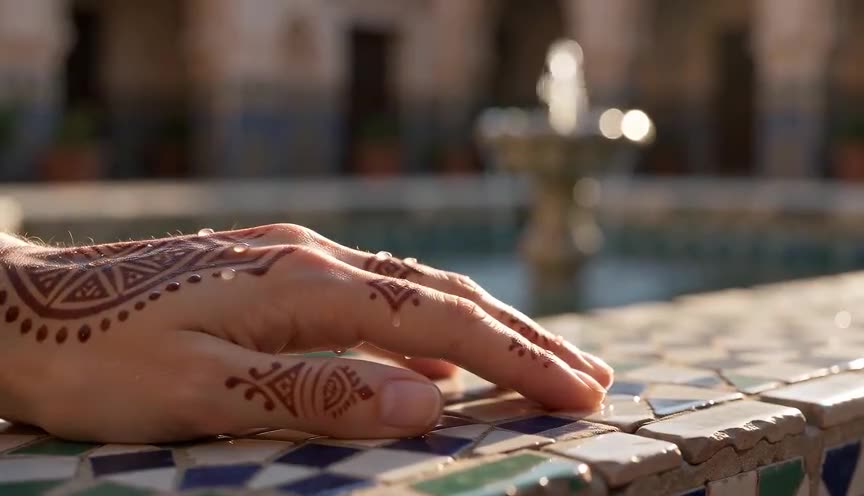
Extreme close-up is one tool inside the spaghetti western look, not the whole thing. The genre needs that close-up paired with a vast wide shot and hard sunlight to read as western at all.
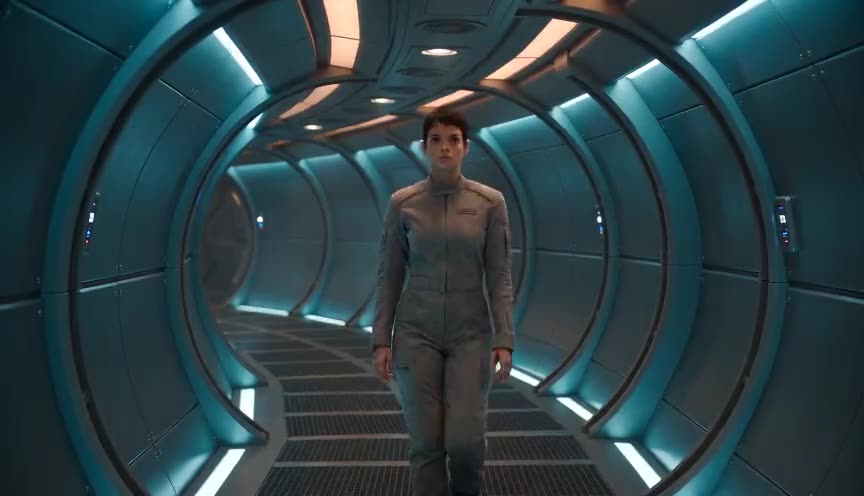
Teal and orange is a modern, cooler color scheme built for contrast in any genre. Spaghetti western grading is warmer and dustier overall, closer to bleached ochre than to a clean teal shadow.
In film
The Good, the Bad and the Ugly (1966)
The final three-way standoff is built almost entirely from alternating extreme close-ups on eyes and wide shots of the empty arena.
Once Upon a Time in the West (1968)
The opening station sequence stretches a wait for a train into minutes using silence, dust, and tight cuts to faces and hands.
A Fistful of Dollars (1964)
Establishes Leone's signature mix of wide, sun-flattened landscapes with sudden telephoto close-ups on a squinting protagonist.
The prompt
Name the lens contrast directly: wide shot for scale, then a slow push to an extreme close-up on eyes. Describe hard overhead sun, dust or heat haze, sweat, and fabric moving in wind to sell the climate. Ask for warm, bleached, slightly crushed color rather than a clean modern grade. Avoid words like cinematic or epic on their own, and avoid modern signage, logos, or anyone pointing a weapon at camera or another person.
The exact prompt that rendered the video on this page. Keep the description of the move, change the subject and the setting.
Spaghetti western look. Extreme close-up of a gunslinger's squinting eyes under a dusty hat brim, sweat and stubble, harsh desert sun, then a cut to a very wide shot of two tiny figures facing each other on an empty dusty main street of a wooden frontier town. Warm burnt yellow tones, 1960s widescreen film grain. No weapons drawn. No text.
Common mistakes
Skipping the close-up
Using only the wide shot loses the whole point. Without the tight close-up on eyes or hands, there is no tension to read and the scene feels like plain landscape photography.
Flat, even lighting
Soft or diffused light removes the squint, the sweat sheen, and the hard shadow that sells heat and stakes. The look needs a single hard overhead or low sun, not a bounce-filled setup.
Rushing the wait
Cutting to action too fast skips the ritual of the standoff. The genre depends on holding stillness for a beat longer than feels comfortable before the payoff.
Frequently asked questions
What is a spaghetti western?
It is a genre look, born from 1960s Italian-made westerns, that pairs huge dusty landscapes with extreme close-ups on faces and hands to turn a simple standoff into a slow-building ritual of tension.
Why do spaghetti westerns use so many close-ups?
The close-up on eyes and trigger fingers lets the audience read intent and fear in a scene where almost no one speaks. It turns silence into information, which is what makes the standoffs feel dangerous.
What lens creates the spaghetti western look?
A wide lens (roughly 24mm to 35mm) for the vast landscape shots, cut against a long telephoto (135mm to 200mm) for the compressed, texture-heavy close-ups on faces. The contrast between the two is the signature.
Can an AI video model recreate this style?
Yes, tools on Imaginode can render the look if you describe the lens contrast, hard sunlight, dust, and the slow push into a close-up explicitly, since the model responds to concrete camera and light description rather than the word western alone.