Candlelight
Also calledFirelight lighting, Practical candle lighting, Flame-lit scene
Candlelight is a lighting technique that uses the warm, unsteady glow of an actual or simulated flame as the primary source of illumination on a scene. It wraps faces in soft, amber light that flickers and shifts, pulling the viewer into an intimate, vulnerable mood.
What it tells
Directors reach for candlelight when a scene needs intimacy without artifice: a confession, a vigil, a first night together, a moment of grief. The flicker reads as alive, unlike the steady hum of electric light, so it suggests fragility, secrecy or a world before or without power. Because the light is weak and directional, it forces characters close together and isolates them from their surroundings, turning a room into a small island of warmth. It also signals a shift in time or class, evoking history, ritual or hardship.
How it is shot
On set, a real candle rarely provides enough exposure on its own, so gaffers place it visibly in frame as the motivator and hide a small tungsten or LED fixture (a Dedolight or a dimmed tube gelled to about 1900K to 2000K) just out of frame to match its color and add usable exposure. The practical flame sits close to the actor's face, often at chest or chin height, so shadows fall upward and shift with the flame's real movement. Cinematographers open the lens wide (T1.4 to T2.8) and push ISO higher, since the source is dim. A slight dimmer flicker on the hidden fixture mimics candle movement when more output is needed.
When to use it
- Use it for intimate confessions, prayers or vigils where the flicker should feel more honest than electric light.
- Choose candlelight for period pieces or off-grid settings where visible electricity would break the illusion of the world.
- Reach for it in scenes of vulnerability, seduction or grief that need a single warm source pulling faces close together.
- Use it when a storm or outage strands characters, motivating warm firelight as the only remaining light source.
Not to be confused with
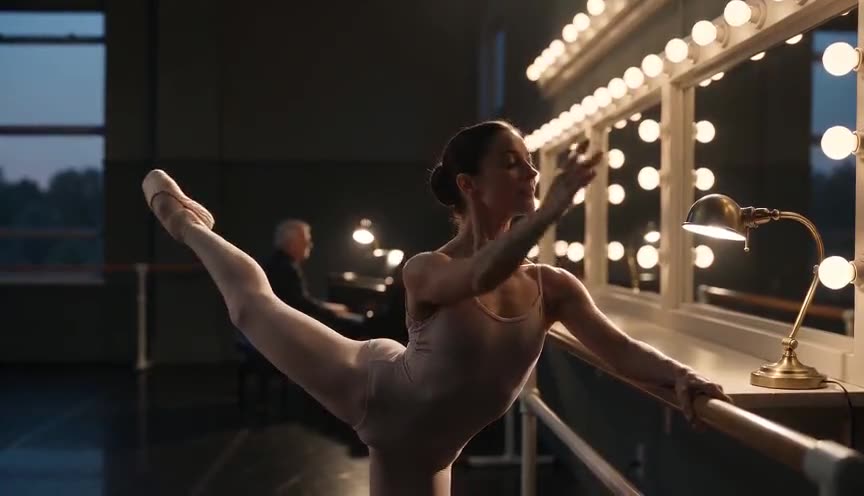
Practical lighting is the broader category of any visible light source in frame, from lamps to neon signs. Candlelight is one specific practical source, defined by its warm color, low output and constant flicker.
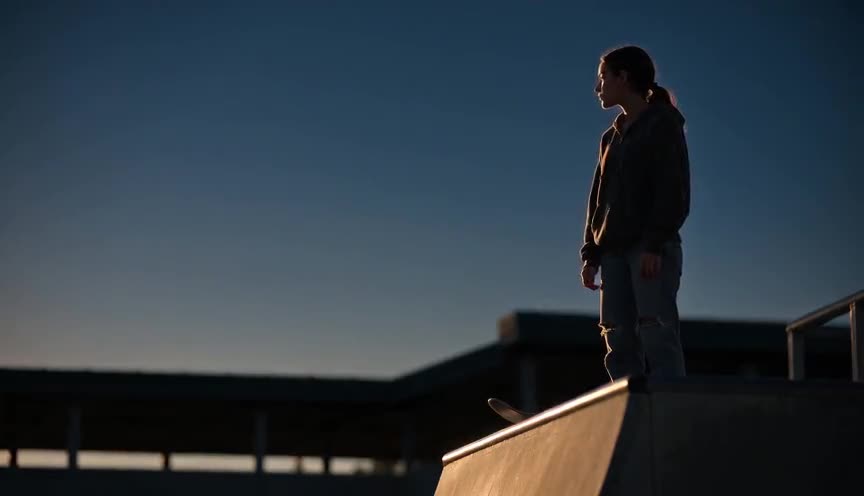
Low-key lighting is defined by strong contrast and deep shadows from any source, often hard and directional. Candlelight is a specific motivator for that contrast, giving softer edges and a warm, moving quality hard sources lack.
In film
Barry Lyndon (1975)
Kubrick shot interior scenes lit only by actual candles, using a rare fast lens to capture usable exposure without any electric fill.
The Favourite (2018)
Robbie Ryan staged palace night scenes around visible candles, letting the warm practical flames flicker across faces in wide-angle compositions.
The prompt
Name the source explicitly: a candle or cluster of candles in frame, not just warm light. Describe the flicker as physical motion (light pulses and sways) and specify a narrow color temperature, around 1900K, so the model does not default to neutral white. Keep the rest of the frame dark to sell the contrast, and mention that shadows move with the flame. Avoid asking for candlelight and bright fill together, that cancels the effect, and avoid vague words like cozy that give the model nothing concrete to render.
The exact prompt that rendered the video on this page. Keep the description of the move, change the subject and the setting.
Candlelight illuminates a weathered wooden cabin interior at night, snow visible through a frosted window behind a middle-aged man wrapped in a wool blanket. A single thick candle burns on a rough-hewn table in the foreground, its flame swaying and flickering, casting warm amber light that pulses unevenly across his face and the log walls while the rest of the room falls into soft darkness. The camera holds static and close, locked off, as the flame's light breathes in and out, shadows shifting slowly with each flicker, no other light source visible. No text.
Common mistakes
Flat fill kills the flicker
Adding a soft fill light to compensate for low exposure erases the contrast and movement that make candlelight readable, leaving a scene that looks lit by a dimmer, not a flame.
Wrong color temperature
Setting the source to neutral white or cool blue removes the amber warmth that reads as candlelight; without a temperature around 1800 to 2000K the shot looks like an underexposed lamp instead.
No visible motivator in frame
Lighting a face with a warm flicker but never showing the candle itself leaves viewers confused about the source, weakening the intimacy and realism the technique is meant to create.
Frequently asked questions
What is candlelight in film lighting?
It's a lighting technique that uses the warm, flickering glow of a flame as the main or only source of illumination in a shot, producing soft shadows and a low, uneven exposure across the frame.
Can you actually light a scene with real candles?
Real candles rarely provide enough light for a camera on their own, so most productions hide a small dimmed fixture near the candle, matched to its warm color, to add exposure while the flame stays the visible motivator.
How do you keep candlelight from flickering too much on camera?
Cinematographers dim their hidden fixture slightly rather than relying only on the real flame's movement, and they shield the candle from drafts so the flicker stays believable instead of distracting.
Can AI video tools generate convincing candlelight?
Yes, tools like those on Imaginode render it well if you name the candle explicitly, ask for warm amber flicker and describe how the light and shadows move, rather than just requesting warm mood lighting.