Figure-ground
Also calledfigure-ground relationship, subject-background separation, figure-ground contrast
Figure-ground composition is the visual separation of a subject (the figure) from its surrounding environment (the ground) so the eye instantly knows what to look at. It relies on contrast in tone, color, sharpness or depth to push the subject forward and let the background recede.
What it tells
Directors use figure-ground to control attention without cutting or moving the camera. A dancer isolated against a flat wall reads as focused and alone; the same dancer blended into a crowded, matching background reads as lost or anonymous. The technique lets a filmmaker say who or what matters in a single frame, and it can be reversed deliberately to create confusion, camouflage or a sense of a character disappearing into their surroundings.
How it is shot
Separation is built from contrast, not distance alone. Cinematographers push tonal value apart (a dark figure against a pale wall or vice versa), use color contrast (warm skin against cool blue paint), or use shallow depth of field so the subject sits at f/1.4 to f/2.8 sharpness while the background falls into soft blur two or three stops out of focus. Backlight or a rim light at low key adds a thin edge that lifts the figure off the ground even when tones are close. Staging matters too: placing the subject several feet from the wall lets a kicker light rake across the gap and carve a visible seam between the two planes.
When to use it
- Isolating a single performer or object in a busy or textured environment
- Building a silhouette or reveal where the subject must read instantly against light
- Directing the eye in a wide shot without cutting closer or moving the camera
- Showing a character blending in or vanishing when the story calls for camouflage
Not to be confused with

Shallow depth of field is one tool for achieving figure-ground separation through focus alone. Figure-ground is the broader compositional goal, which can also be reached with tone, color or lighting instead of a wide aperture.
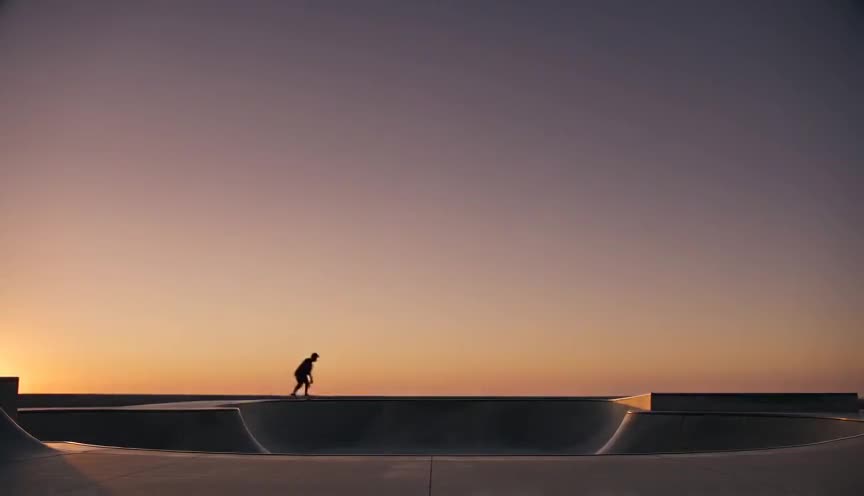
Negative space describes empty area around a subject and often supports figure-ground separation, but figure-ground is about contrast between subject and background even when the background is filled, not empty.
In film
The Red Shoes (1948)
Ballet sequences use lit dancers against dark, painted backdrops so the figure reads with theatrical clarity in every frame.
Schindler's List (1993)
The girl in the red coat is isolated by color against the black and white ghetto, making her the unmistakable figure within a chaotic background.
The prompt
Name the contrast explicitly: sharp subject against a blurred background, dark figure against a bright wall, or backlit rim against shadow. State the lens and aperture (85mm at f/1.8) so the model commits to real separation instead of an evenly sharp frame. Avoid vague words like clear or focused; instead describe what stays soft, what stays dark, and where the edge light falls. Keep the background simple so contrast has room to read.
The exact prompt that rendered the video on this page. Keep the description of the move, change the subject and the setting.
Figure-ground composition in a ballet rehearsal room, a mature female dancer in a charcoal leotard standing center frame, lit by a single side window so her body is a crisp, high-contrast silhouette against the pale, evenly lit wall behind her. Shot on an 85mm lens at f/2, camera locked on a tripod, completely static. The dancer slowly raises one arm in a controlled port de bras, her sharp outline never merging with the flat, soft background, dust drifting faintly in the light beam. No text.
Common mistakes
Matching tones
Subject and background sit at the same brightness or color value, so the figure flattens into the wall instead of separating from it.
Cluttered ground
A busy, detailed background competes for attention and breaks the clean read the technique depends on, even if lighting contrast is correct.
Uniform focus
Keeping everything sharp with deep focus removes one of the easiest separation cues, forcing all contrast to come from lighting alone.
Frequently asked questions
What is figure-ground composition?
It is a way of framing a shot so the subject (figure) clearly stands apart from its surroundings (ground), usually through contrast in tone, color, focus or lighting, so the viewer's eye goes straight to the subject.
Is figure-ground the same as depth of field?
No. Shallow depth of field is one technique used to create figure-ground separation, but the effect can also come from lighting contrast, color contrast or staging distance, with everything in sharp focus.
Why do dance and theater films rely on this technique so heavily?
Performance genres stage bodies against flat backdrops on purpose, so a clean figure-ground read lets the audience follow choreography and gesture without visual noise competing for attention.
Can I get figure-ground separation from an AI video model?
Yes, on Imaginode you get the clearest results by naming the exact contrast (dark figure on light wall, sharp subject against blurred background) rather than asking generally for a subject to stand out.