Stop motion
Also calledFrame-by-frame animation, Object animation, Puppet animation, Claymation
Stop motion is an animation technique in which physical objects, puppets or models are moved in small increments and photographed one frame at a time, then played back in sequence to create the illusion of continuous movement. The result reads as slightly jittery, tactile and handmade, reminding the viewer that a real object was manipulated frame by frame rather than filmed in real time.
What it tells
Stop motion pulls the audience into a world that feels touched by human hands: you can sense the puppeteer behind every twitch of a fabric ear or wisp of felt hair. Directors reach for it when they want warmth, whimsy or menace that computer animation smooths away, because tiny imperfections, a trembling hand, an uneven blink, read as intention rather than error. It slows perception down and carries a nostalgic, handmade honesty that signals craft over spectacle.
How it is shot
A puppet or object is set on a locked-off set and photographed once. The animator nudges it a few millimeters, adjusts an armature joint, and shoots again, repeating this for every pose. Shooting on twos gives 12 unique poses per second of 24fps playback (a looser, classic feel), while shooting on ones gives 24 poses per second for smoother motion. Lighting is locked with sandbags and gels so it does not flicker between frames, and software like Dragonframe overlays the previous frame as a ghost image to guide the next tiny move. One finished minute of footage can take a full day or more to shoot.
When to use it
- Building a fantasy or fable film where handmade puppets and models should feel physically present and imperfect.
- Animating a commercial or music video that needs a distinctive, tactile signature different from smooth CG motion.
- Bringing inanimate objects, food or small props to life for a whimsical explainer or title sequence.
- Creating creature effects in a low-budget production where practical models are cheaper than full CG animation.
Not to be confused with
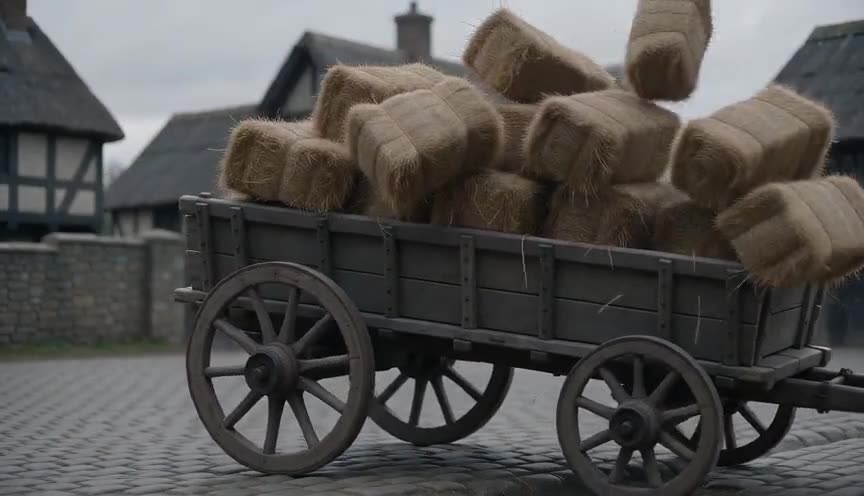
Step printing removes frames from footage of real actors to fake a jerky look, while stop motion never films continuous motion at all: every pose is a separate photograph of a physical object.
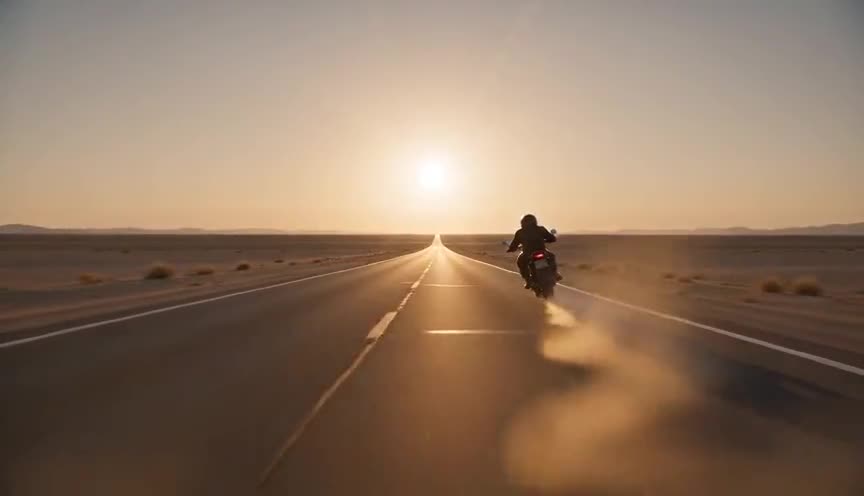
Stutter motion is a post-edit trick that skips frames from live footage for a jarring rhythm, whereas stop motion builds the movement from nothing, one incremental pose and one exposure at a time.
In film
The Nightmare Before Christmas (1993)
Puppet armatures with interchangeable heads gave every character its full range of expression, defining the film's gothic, handmade tone.
Coraline (2009)
3D-printed replacement faces let animators shift micro-expressions frame by frame, making the dollhouse world feel tactile and unsettling.
Fantastic Mr. Fox (2009)
Wes Anderson kept visible fur strobing and puppet fingerprints in frame, favoring craft texture over the smoother finish other productions correct out.
The prompt
Name the material explicitly (felt, clay, wood, wire armature) since that reads instantly as stop motion. Describe motion as discrete, incremental steps with no motion blur, and mention a locked-off or minimally moving camera, since stop motion rigs rarely pan smoothly. Words like staccato, frame-by-frame, jittery and tactile surface help the model. Avoid asking for fluid, cinematic camera moves or photoreal skin, which push the result toward live action instead of puppet animation.
The exact prompt that rendered the video on this page. Keep the description of the move, change the subject and the setting.
Stop motion animation of a felt puppet saxophonist on a miniature jazz club stage, lit by a single warm spotlight against a dark velvet backdrop. The puppet's arms and horn shift in small discrete increments between frames, creating a slightly jittery, staccato motion with no motion blur, while a tiny articulated drummer puppet in the background holds a fixed pose that snaps to a new position every few frames. The camera stays completely locked off on a low tripod angle. Visible fingerprints in the clay-like puppet surfaces and faint frame flicker in exposure reinforce the handmade, frame-by-frame look. No text.
Common mistakes
Adding motion blur
Real stop motion has none between exposures, so blurring the movement makes it read as live action or CG rather than a physical object photographed frame by frame.
Moving too much per frame
Large jumps between poses break the illusion of continuous motion and produce a strobing, unreadable blur once played back at speed.
Letting the set boil
Unlocked lights, shifting shadows or a camera that drifts between exposures cause flicker that reads as a technical error, not a stylistic choice.
Frequently asked questions
What is stop motion animation?
It is an animation method where physical puppets, clay figures or objects are moved a tiny amount and photographed once per pose, so playing the still frames in sequence creates the illusion of movement.
How many frames per second is stop motion shot at?
Most films play back at 24fps. Animators shoot on twos (12 unique poses per second, each held for two frames) for a classic feel, or on ones (24 unique poses per second) for smoother motion.
What is the difference between stop motion and claymation?
Claymation is a subset of stop motion that uses clay or plasticine figures. Stop motion is the broader technique and can also use felt puppets, cutout paper, wire armatures or everyday objects.
Can AI video generators create a stop motion look?
Yes, on platforms like Imaginode you can prompt for puppet materials, locked-off framing and discrete, blur-free motion between poses, and the model will approximate the jittery, handmade rhythm of traditional stop motion.